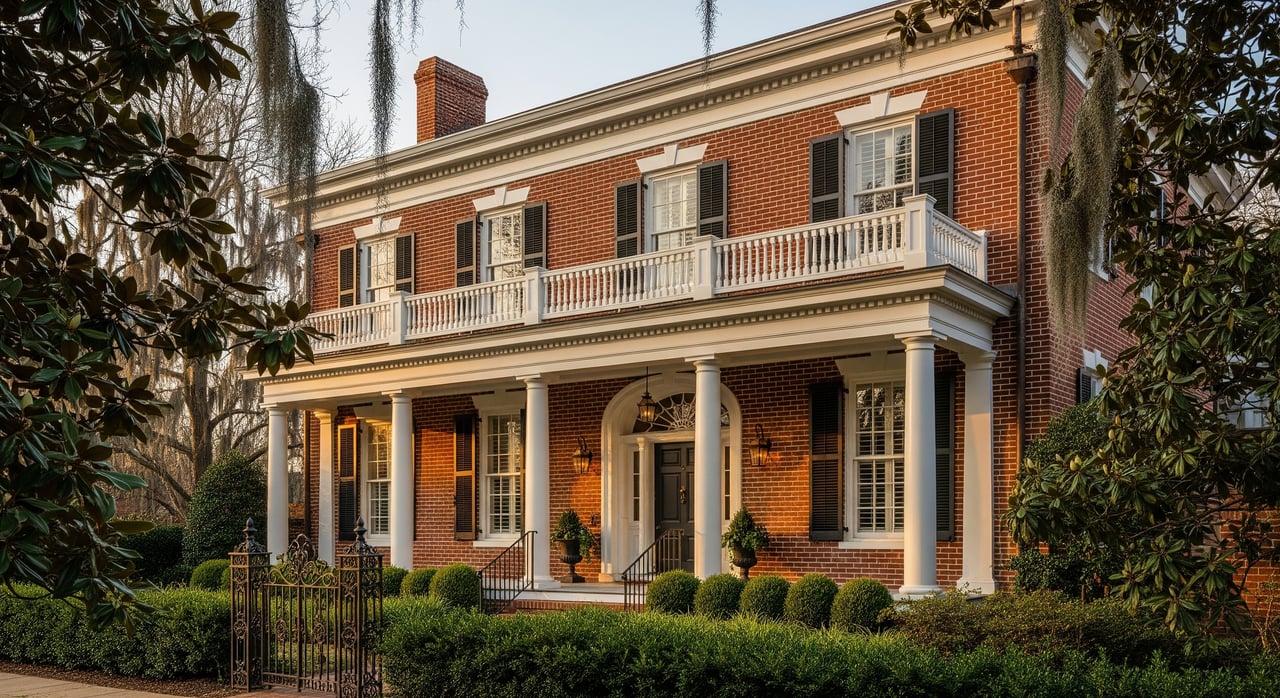
Do you love the character of original hardwoods, tall windows, and front porches near Franklin’s walkable downtown? You’re not alone. Buying a historic home here comes with special steps that can feel complex at first. This guide breaks it down so you can move forward with confidence. You’ll learn what to inspect, how approvals work, how to plan financing and insurance, and how to build the right contractor team. Let’s dive in.
What makes Franklin’s historic homes unique
Franklin’s in-town neighborhoods include many 19th and early 20th century homes. These areas often fall within local historic districts or include individually listed historic properties. That means you enjoy a strong preservation culture and architectural charm, but exterior changes may need review and approval.
Most buyers fall in love with the style and location. Just remember that older building systems and materials can add cost and time to your plan. Early research helps you protect your budget and your timeline.
Know your approvals and timelines
If the home sits in a local historic district, exterior work usually requires review and a formal approval.
Certificate of Appropriateness (COA)
Expect a COA or similar approval for exterior changes like additions, porches, siding, windows, and sometimes fences. Local design guidelines often emphasize repair over replacement and ask that new work be compatible and subordinate to the historic character.
Interior work and what triggers review
Interior work typically does not trigger historic review. Projects that change visible, character-defining exterior features usually will. Always verify your specific scope with City of Franklin historic review staff before you commit to a plan.
Add review time to your plan
Historic review adds time to permitting. Simple items may be approved by staff in weeks, while full commission reviews can take several meeting cycles. Build several weeks to a few months into your schedule for applications, meetings, and revisions.
Inspect like a pro
Older homes deserve a deeper inspection stack. Line up pros who work with historic properties.
- General home inspection by an inspector experienced with older homes
- Structural engineer evaluation of foundations, sills, beams, and porches
- Electrical inspection for knob-and-tube, aluminum wiring, grounding, and service size
- Plumbing inspection for galvanized lines, cast iron drains, and water pressure issues
- HVAC load analysis and system design review
- Roof and flashing inspection for water intrusion and material condition
- Termite and pest inspection (subterranean termites are a local risk)
- Moisture and mold assessment, especially in crawlspaces and basements
- Chimney and fireplace inspection for masonry and flue integrity
- Hazard testing when indicated: lead-based paint (pre-1978), asbestos in older materials, and radon testing
Hidden risks to watch
- Rot at sill plates, porch framing, and window sills can require skilled carpentry
- Settling or aging foundations may need stabilization or underpinning
- Prior incompatible repairs, like synthetic siding or bad flashing, can trap moisture
- Aging electrical or plumbing may affect safety, insurability, and lender approval
Budget, bids, and contingencies
Unknowns are the biggest variable with older homes. Build in a healthy contingency that varies with scope. Many buyers plan an additional 10 to 30 percent for surprises, with larger projects needing more conservative reserves.
Ask contractors to separate preservation-sensitive repairs from standard replacements. This helps you understand costs that may be affected by design guidelines or historic approvals.
Financing options for renovations
Standard mortgages work when homes meet lender standards. If the property needs substantial work, consider renovation-focused loans.
- FHA 203(k) for owner-occupied rehab, with streamlined and full versions
- Fannie Mae HomeStyle Renovation and Freddie Mac CHOICERenovation that bundle improvements into one loan
- Construction-to-perm or rehab construction loans for extensive projects
Lenders will ask for realistic estimates and timelines for required repairs. Appraisals in historic districts can be nuanced, with fewer direct comparables. If you plan to pursue tax incentives for income-producing properties, loop your lender in early.
Insuring an older home
Insurance can be different for historic properties.
- Some carriers require electrical or heating updates before issuing or renewing policies
- Confirm coverage is based on replacement cost using local construction rates
- Ask about “ordinance or law” coverage to address code upgrades and historic requirements during a rebuild
- Consider specialty historic home endorsements when repairs use original materials and methods
Shop multiple carriers and work with an agent who understands older homes.
Plan your renovation timeline
Set realistic expectations and sequence the work.
- Cosmetic updates: weeks to 1–3 months
- Systems and targeted structural work: 2–6 months
- Major rehabilitation with exterior preservation and code work: 6–12+ months
- Full gut or addition projects: 9–18+ months
Add the historic review and permitting window to these ranges. Submit complete applications early to reduce delays.
Build the right Franklin team
You will move faster and smarter with experienced pros who know local rules and older construction.
Who you need
- Preservation-minded architect to lead design, prepare COA applications, and navigate codes
- Structural engineer for foundations, framing, and load-bearing changes
- Licensed general contractor with documented historic work
- Specialized trades: electrician, plumber, HVAC designer, window restoration, masonry, and qualified lead or asbestos abatement
- Preservation consultant if you need help with design guidelines or applications
How to vet your contractor
- Verify licenses, insurance, and bonding appropriate for historic work
- Review portfolios of similar projects and speak with references
- Request clear scopes that separate preservation-sensitive repairs from standard replacements
- Set change order rules and include a realistic contingency in contracts
- Confirm lead-safe practices and asbestos protocols when relevant
Your buyer checklist
Use this step-by-step list to stay organized from first showing to move-in.
Before you make an offer
- Confirm whether the property is in a local historic district or has recorded easements or covenants
- Speak with City of Franklin planning or historic staff about likely COA needs for your plans
- Get preapproved with a lender who offers renovation options if needed
Offer and contingency language
- Include a broad inspection contingency and allow time for specialized inspections
- Consider a feasibility contingency for securing a COA for intended exterior changes or additions
- Request seller documents: past permits, prior COAs, as-built plans, and utility bills
During escrow
- Order the full inspection suite, including hazard testing for lead and asbestos when indicated
- Consult with the City’s historic planner on permit needs and likely timing
- Get preliminary contractor estimates and confirm availability
- Start COA and permit application drafts as soon as your contract is accepted
After closing
- Secure building permits once the COA is approved, if required
- Tackle urgent work first: roof leaks, structural stabilization, and hazard abatement
- Keep thorough records and photos of all work for future incentives or resale disclosures
Common pitfalls to avoid
- Skipping early talks with historic staff and learning too late that a plan is not compatible
- Underestimating system upgrades, especially electrical, plumbing, and HVAC
- Starting demo before lead or asbestos testing when the age of the home suggests risk
- Hiring the lowest bid without confirming historic experience and references
How The Wood Team can help
Buying a historic home in Franklin should feel exciting, not overwhelming. Our family-run team will help you plan inspections, line up the right experts, and navigate approvals so you can honor the home’s character while meeting your needs. When you are ready, reach out to The Wood Team to talk through your goals and timeline. Schedule your free consultation.
FAQs
What should Franklin buyers know about historic approvals?
- Homes in local historic districts often need a Certificate of Appropriateness for exterior changes. Contact the City early to confirm your project’s requirements and timing.
Which inspections are must-haves for older homes in Franklin?
- In addition to a general inspection, plan structural, electrical, plumbing, HVAC, roof, termite, moisture, chimney, and hazard testing for lead, asbestos, and radon.
How long do historic renovations usually take in Franklin?
- Allow weeks to months for approvals, then 2–6 months for systems work and 6–12+ months for major rehabs. Full gut or additions can run 9–18+ months.
Can I replace original windows with new ones?
- Many design guidelines prefer repair over replacement. Some projects allow sensitive replacements or interior storms. Confirm the approach during COA review.
What insurance coverage should I consider for a historic home?
- Seek replacement cost coverage, ask about ordinance or law endorsements, and be prepared for required system updates before binding a policy.