Dreaming of more room to breathe, space for a barn, or long sunsets over rolling pasture? If you are eyeing acreage in Arrington or College Grove, you are on the right track for a lifestyle upgrade. Buying rural property works a bit differently than buying in-town Franklin or Brentwood, and a little prep goes a long way. In this guide, you will learn the local rules, septic and well basics, and the steps to take before you tour land or a home on acreage. Let’s dive in.
Why acreage here is different
Arrington and College Grove are unincorporated village areas within Williamson County. That means county-level zoning and the villages’ Special Area Plans guide what you can build, how you can subdivide, and the overall look and feel of development. The Arrington plan prioritizes preserving rural and equestrian character, while allowing village-scale growth where appropriate. You can review those priorities in the Arrington Special Area Plan and policy documents from the county. Arrington’s Special Area Plan outlines the rural character focus.
County zoning is your main rulebook, not city codes for Franklin or Brentwood. Start every search with the correct zoning district, any village overlays, and the recorded plat. The county zoning ordinance is the authoritative source for uses, minimum lot sizes, and standards. You can confirm details in the Williamson County Zoning Ordinance.
Zoning and lot rules to verify
Zoning changes lot size, allowable uses, and whether you can subdivide later. Inside village cores, lots may be smaller. In general village areas and rural districts, lots are larger and density is limited to preserve the countryside. The College Grove Village plan describes a Village Core and a General Village Subarea, each with different dimensional standards.
Confirm zoning first. The Agricultural district (A) is aimed at true rural and agricultural uses. In the A district, the county’s dimensional table lists a minimum lot area of 15 acres for residential structures. That minimum matters if you plan to split land in the future. You can verify standards directly in the county zoning ordinance.
Recorded plats and covenants add another layer. Plats in Williamson County often label septic areas, non-disturb zones, and setbacks that impact where a home or barn can go. The county’s subdivision regulations explain how lots are created and what must be shown on plats, including sewage disposal notes. Review the Subdivision Regulations before you rely on an old map or assumption.
Can you subdivide later?
Maybe. It depends on the base zoning district, any special-area overlay, soils and septic capacity, and recorded restrictions. The safest route is to confirm the exact zoning, read the plat, and call the county planning staff to discuss your goals. Even when a parcel is large, soil and septic capacity can limit splits or the number of buildable homes.
What plats and easements tell you
Plats can include building envelopes, septic zones, and access easements that control where you can place structures or driveways. Ask for the most current recorded plat and any deed-referenced covenants. Title work should also check for access rights and utility easements.
Septic, water and wells
Sewer service is limited in most of Arrington and College Grove. Many properties rely on septic systems, and soils often set the limit on house size and bedroom count. The Arrington plan notes Milcrofton Utility District provides domestic water in the village area, but not sewer, and that soils constrain septic suitability. See the Arrington Special Area Plan for those utility notes.
Septic basics in Williamson County
Most rural homes use a Subsurface Sewage Disposal System. The state issues permits and sets baseline rules through TDEC’s SSDS program. Depending on soils, you may need a conventional system or an engineered option like a low-pressure pipe or mound system. TDEC posts current permit and inspection fees and explains the application steps on the SSDS permit page.
At the county level, sewage disposal rules are enforced during subdivision and building. Septic areas, setbacks, and non-disturb zones are often shown on plats, and the county will require documentation before final approvals. You can review the local program on the Williamson County Sewage Disposal page.
Two practical tips:
- Ask for SSDS maps and permits. Request any on-lot septic map, soil reports, and permit history with your offer.
- Expect soils to be the gatekeeper. If soils do not perk, system size may be limited or may require an alternative design.
Private wells and testing
Some acreage relies on private wells instead of a utility water line. Tennessee requires licensed well drillers and pump installers, and a well completion report documents depth, construction, and testing history. Private wells are not regulated the same as public water, so you should plan a current water test for bacteria and any other parameters your lender recommends. TDEC explains the process and reporting on the state well-water guidance page.
Budget note: well and septic costs vary with geology, soils, and slope. In parts of Tennessee’s rock, a completed residential well can reach into the low five-figure range. Verify with licensed drillers and system designers once you have a target parcel.
Electric, gas and internet
Many rural properties are served by Middle Tennessee Electric. Before you fall in love with a site, check who provides power and whether any line extensions or transformer upgrades are needed. Start with Middle Tennessee Electric.
Natural gas is hit or miss in rural Williamson County. Many acreage owners use propane for heating and appliances. Broadband is also location-specific. Closer-in areas may have cable or DSL, while more remote sites may rely on fixed wireless or satellite. Confirm availability by address before touring, especially if you work from home.
Barns, outbuildings and equestrian uses
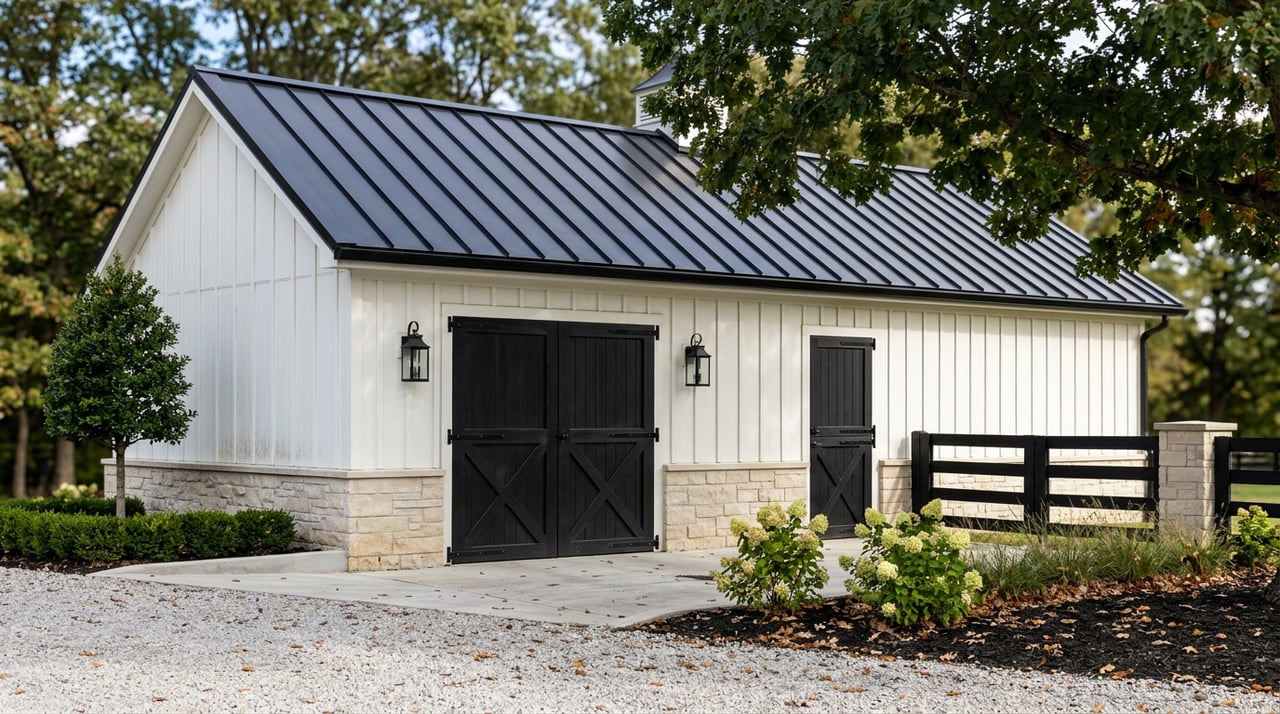
Accessory structures are allowed, but rules vary by use and location. The zoning ordinance covers accessory uses and structures, including setbacks and when permits are required. Some agricultural buildings are treated differently, but you should confirm whether an agricultural exemption applies to your specific plan. Review relevant standards in the Williamson County Zoning Ordinance.
Septic and well setbacks affect where a barn, arena, pool, or driveway can go. Septic areas and non-disturb zones are often recorded on plats, which means you need to site outbuildings around those protected areas. You can see how these constraints show up on recorded materials in the county’s Subdivision Regulations.
If you plan a commercial equestrian use, such as boarding or training, discuss it with county planning staff early. The village plans emphasize preserving equestrian character, but certain commercial operations may trigger additional review. The Arrington Special Area Plan notes the importance of equestrian uses within the village context. Refer back to the Arrington plan as you frame your questions.
What it takes to maintain acreage
Rural living comes with ongoing costs and care. Build a plan and budget for:
- Fencing installs and upkeep
- Pasture and forage management, including soil testing and weed control
- Hay supply or pasture rental when acres are not fully productive
- Manure management and storage to protect waterways and reduce odors
- Pond care, aeration, and embankment maintenance
- Driveway and private road work, including culverts and stormwater control
- Tree and brush management for safety and access
Local Extension resources and university best practices can help you choose the right systems, schedule, and stocking rates for horses or livestock in Middle Tennessee. A good plan prevents erosion, protects your investment, and keeps neighbor relations positive.
Smart financing options
USDA Rural Development offers single-family home loans in eligible rural areas. These programs can include no-down-payment options for qualified buyers and properties. Because eligibility is map-based, check early with your lender and the official program materials. Start with the USDA Rural Development fact sheet and your lender’s guidance.
Conventional and portfolio loans are also common for homes on acreage. If your property has farm income or is primarily land value, a specialized land or Farm Credit lender may be a better fit. Ask which documents your lender needs upfront, such as septic permits, well logs, and proof of legal access.
Your pre-tour checklist
Before you head out, confirm a few key items. These steps will save you time and help you focus on properties that truly fit.
- Verify the zoning district and any village overlays in the county zoning ordinance.
- Ask the listing agent for any SSDS soil reports, septic site maps, or TDEC permits. Review the TDEC SSDS permit process so you know what is required.
- Confirm which water utility serves the site and whether there is a meter or an existing private well. The Arrington Special Area Plan notes Milcrofton Utility District service in the village.
- Check access. Look for recorded easements and any private road maintenance agreement. Ask for the latest survey or look for property stakes.
- If you may use USDA financing, review the USDA program overview and confirm eligibility with your lender before writing an offer.
How we help
Buying acreage is about more than square footage. It is zoning, soils, utilities, access, and lifestyle. You deserve a partner who will slow down, ask the right questions, and coordinate the moving parts with care. With a warm, concierge approach and deep local experience in Williamson County’s acreage and estate market, we guide you from first tour to final walkthrough with clarity and calm.
If you are ready to explore acreage in Arrington or College Grove, we would love to help you take the next step with confidence. Connect with The Wood Team to schedule your free consultation.
FAQs
What does “A” zoning mean in Williamson County?
- In the Agricultural district, lots are intended for rural and agricultural uses, and the dimensional table sets a 15-acre minimum lot area for residential structures, which can limit future subdivision.
How does septic capacity affect bedroom count in Arrington and College Grove?
- Septic systems are sized to soils and design, so soils with lower capacity may limit the permitted bedroom count and overall home size even if the lot is large.
Do Arrington and College Grove have municipal sewer service?
- Sewer is limited or absent in many areas, so most homes rely on on-site septic; always verify with the county and review any recorded septic site map.
Can I build a barn first on rural acreage in Williamson County?
- Accessory structures often need permits and must respect setbacks and septic-protected areas; confirm whether an agricultural exemption applies before you build.
Who provides electric service to rural homes near Arrington and College Grove?
- Many properties are served by Middle Tennessee Electric; confirm provider early and ask about any line extension or transformer costs.
How do I check if a property is eligible for USDA loans?
- Review the USDA program overview and have your lender check the address on USDA’s eligibility tool early in the process, since eligibility is map-based.