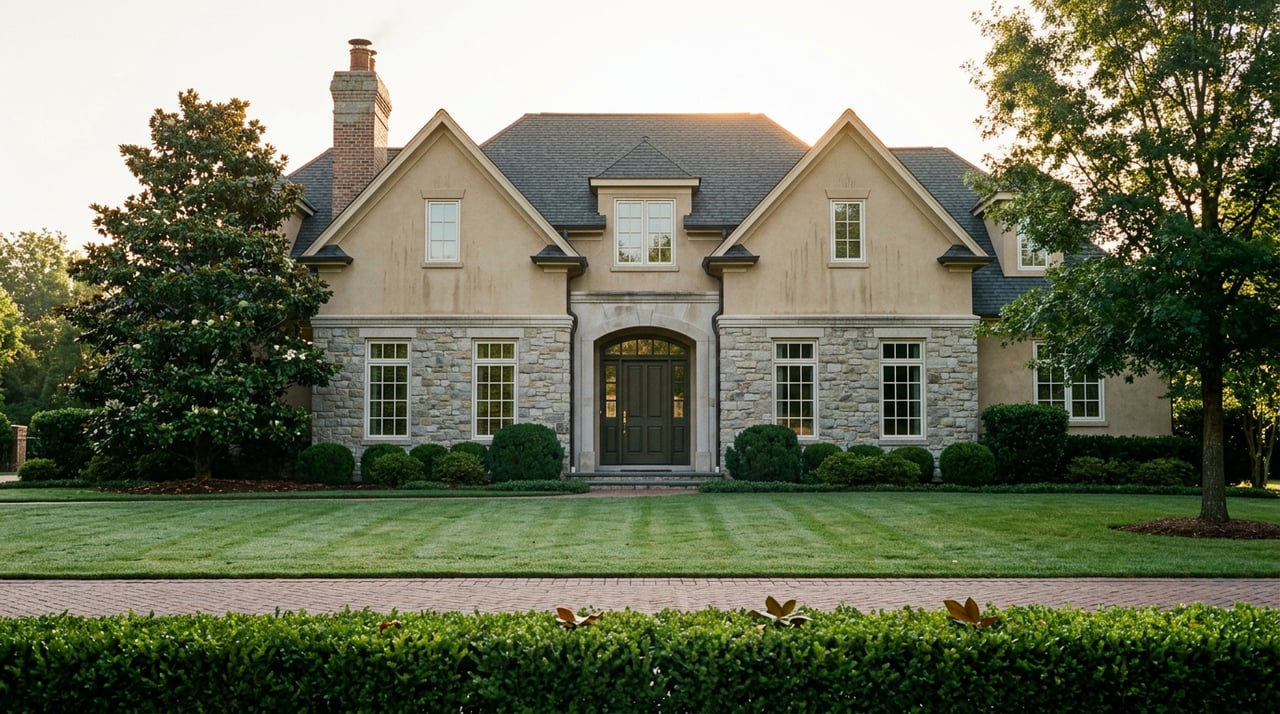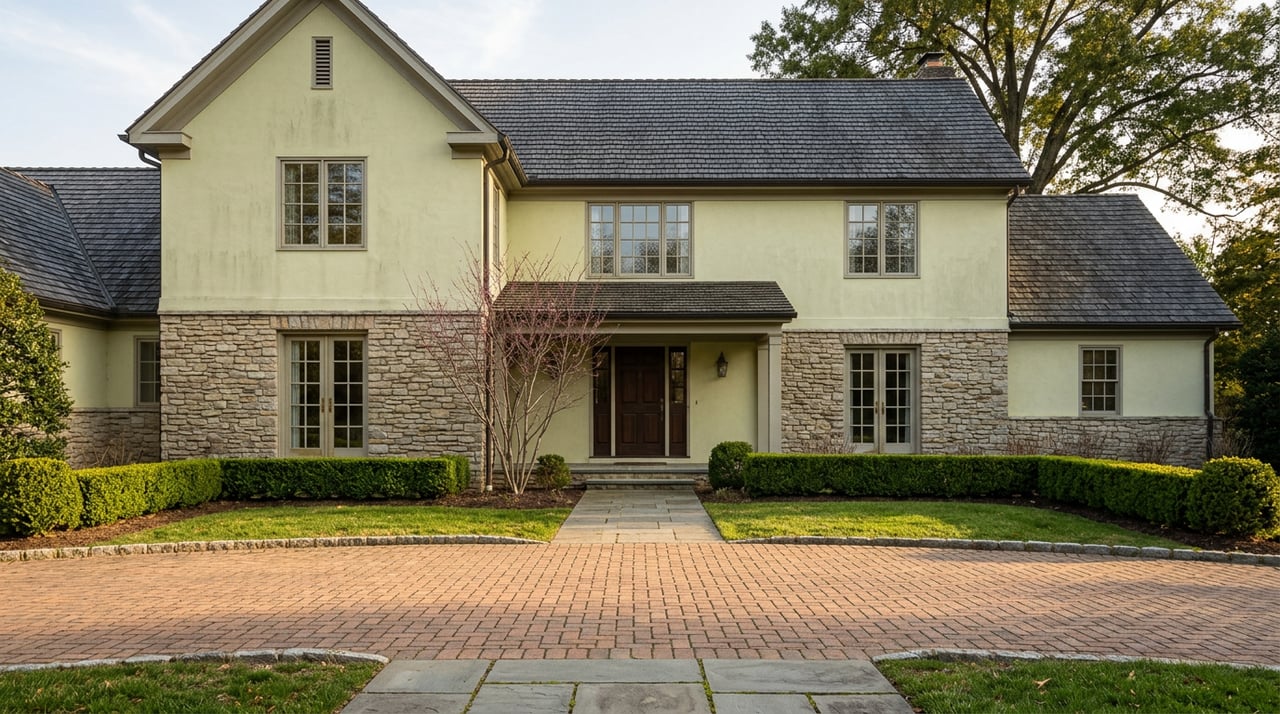
A buyer closes on a bungalow near Lewisburg Avenue, moves the boxes in over a weekend, and picks out a fresh paint color for the porch and trim before the first cold snap. Three weeks later, a letter arrives from the city. The color was never approved. The project stops until it goes back through review.
This is not a story about a difficult neighbor or an overzealous inspector. It is what happens when a buyer treats the closing date as the finish line for a historic downtown Franklin purchase, when in fact closing is just the moment two separate clocks start running, and neither one moves at the pace of a normal real estate transaction.
The first clock covers what you're allowed to assume about the house itself. The second covers what you're allowed to change about it. Most buyers only hear about one of them before they sign.
The seller's disclosure form does less than most buyers assume
Tennessee is a caveat emptor state. Under the Tennessee Residential Property Disclosure Act, sellers must complete a Property Condition Disclosure form listing known material defects, but the law is explicit that sellers are not required to have a home inspection or hire an expert to find problems they don't already know about. If a seller genuinely doesn't know the crawl space has moisture damage or the sewer line is original clay pipe from 1920, there is nothing in the disclosure form that requires them to find out before selling. Sellers also have no obligation to repair anything listed on the form unless a repair is separately negotiated in the purchase agreement.
That framework puts the weight of due diligence almost entirely on the buyer's own inspection, which matters more in a 100-year-old house than in a five-year-old one. Local inspectors who work Franklin's historic core describe a specific pattern in older downtown homes: outdated knob-and-tube or aluminum wiring, aging plumbing, foundation settlement, and additions layered on over decades that need an experienced eye to sort out. Middle Tennessee's clay-heavy soil compounds this, since seasonal expansion and contraction can produce stair-step cracks, sticking doors, and uneven floors that are routine in a house this age but still worth documenting before you own them.
Two add-on inspections come up repeatedly for homes near downtown Franklin. A sewer scope is worth commissioning on older properties where original clay or cast-iron lines may still be in the ground, since a scope is the only way to see the actual condition of a pipe that's been buried for a century. A radon test is advisable across Williamson County generally, since the region's underlying limestone geology has produced documented elevated radon readings, and levels can vary meaningfully from one house to the next even on the same block.
A standard home inspection in the Franklin area typically runs two to four hours and costs somewhere between $375 and $700, with historic homes often landing at the higher end because of the extra time it takes to evaluate original systems and additions. That's a modest cost relative to the alternative, which is discovering a foundation or wiring problem after you've already waived your right to a full disclosure in a competitive offer.
The second clock: what you're allowed to change, and when
Here is the part that catches even buyers who did everything right on the inspection. If the home sits inside Franklin's Historic Preservation Overlay, any exterior change, from a new roofline to a repainted facade, has to go through the Historic Zoning Commission before it happens.
The HZC reviews proposals against the Franklin Historic District Design Guidelines and issues Certificates of Appropriateness. Some minor changes, like non-historic window replacement on a rear facade, can be approved administratively and move faster. Everything else goes to the full commission, and the commission meets monthly, with applications due at least five business days ahead of the scheduled meeting to make that month's agenda. Buyers are also encouraged to attend an informal Design Review Committee meeting before submitting a formal application, which adds a step but can save a revision cycle later.
Contractors who work inside the overlay describe the realistic timeline for a full COA review, from application to approval, as 60 to 90 days, not because the commission is slow, but because it only meets once a month and a denial or a request for changes sends the project back to the following month's agenda. One recurring trip-up: an owner repaints a facade in a color that isn't on file with an approved COA, and the project halts mid-stream until a new application clears review. A brick or stone facade that has never been painted can't be painted on the owner's decision alone at all. It requires HZC review regardless of preference, because painting over original masonry is treated as an alteration to a historic material, not a cosmetic choice.
None of this touches interior work. Kitchens, bathrooms, and anything inside the walls are outside HZC's jurisdiction entirely. The clock only starts ticking on exterior changes, additions, and anything visible from the street.
Why this doesn't apply the same way everywhere in Franklin
This friction is specific to homes inside the historic downtown core. It is not how exterior changes work in Franklin's newer master-planned communities, and that difference is worth understanding before you compare a downtown fixer-upper against something in Westhaven or Fieldstone Farms.
| Where the home sits | Who approves exterior changes | Typical process |
|---|---|---|
| Historic Preservation Overlay (downtown core, Main Street and surrounding blocks) | Franklin Historic Zoning Commission, a public municipal body | Administrative approval for minor items; full COA review runs on a monthly meeting cycle, roughly 60 to 90 days for anything requiring commission action |
| Westhaven, Berry Farms, Fieldstone Farms, McKays Mill and similar planned communities | Private HOA architectural review committee | Governed by neighborhood covenants rather than a public ordinance, with review typically handled on the HOA's own faster internal timeline |
Both systems exist to keep a neighborhood's character intact. But one is a private agreement between neighbors and the other is a public legal process with its own calendar, its own public meeting minutes, and its own government contact. If you're weighing a historic Main Street property against a home in one of Franklin's newer subdivisions, this is one of the real differences in what ownership actually feels like, not just what the house costs.
Before you write an offer on a historic Franklin property
A few steps make the difference between a smooth first year and a stalled porch project:
- Confirm whether the specific address sits inside the Historic Preservation Overlay boundary. Not every downtown-adjacent home does, and the answer changes what you can plan for after closing.
- Line up an inspector who has specific experience with pre-1950s construction, and budget for a sewer scope and radon test alongside the standard inspection.
- Ask the seller's agent whether any Certificates of Appropriateness are already on file for the property, which can tell you what's already been approved and what hasn't.
- If you have renovation plans, request a preliminary meeting with the city's preservation planning staff before you finalize your budget, not after you've already committed to a timeline.
- Build 60 to 90 days into any exterior project plan that will require full HZC review, and treat administrative approvals as the exception rather than the assumption.
A few common questions
Does every home in downtown Franklin need a Certificate of Appropriateness for any change? No. Interior renovations are outside HZC's authority entirely. Minor exterior items that don't substantially affect a home's appearance, like some rear-facing door or window replacements, can qualify for faster administrative approval rather than a full commission review.
What if I want to paint a brick or stone facade that's never been painted? That requires HZC review no matter what. An unpainted masonry facade in original condition can't be changed at the owner's sole discretion, since it's treated as an alteration to a historic material.
Does the seller have to tell me about things like an old sewer line or elevated radon? Only if they actually know about it. Tennessee's disclosure law requires sellers to share known material defects, but it doesn't require them to test for radon, scope a sewer line, or investigate anything they haven't already discovered. That's why buyers in older Franklin homes are advised to order these tests themselves rather than relying on the disclosure form.
If you're comparing a historic downtown property against a newer build in one of Franklin's planned communities, or you just want a straight read on what a specific address's timeline actually looks like before you write an offer, The Wood Team can walk through it address by address. Schedule your free consultation and let's figure out what ownership actually looks like on the property you're considering.