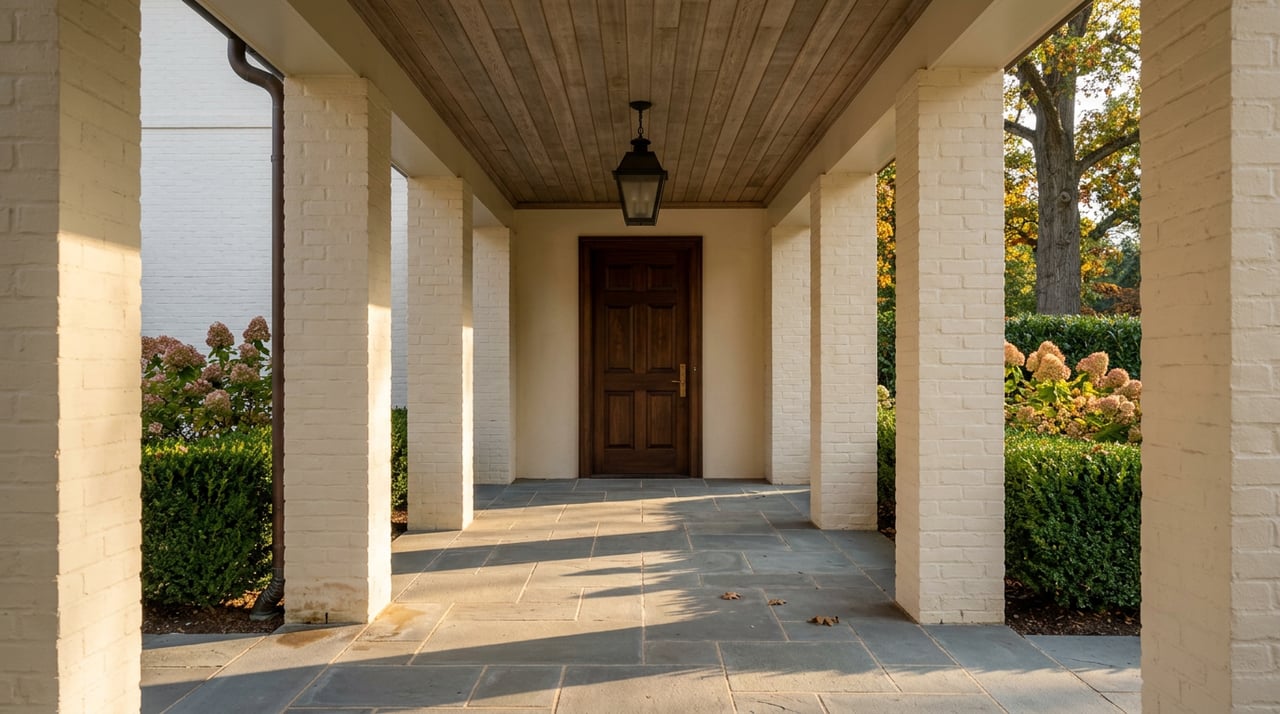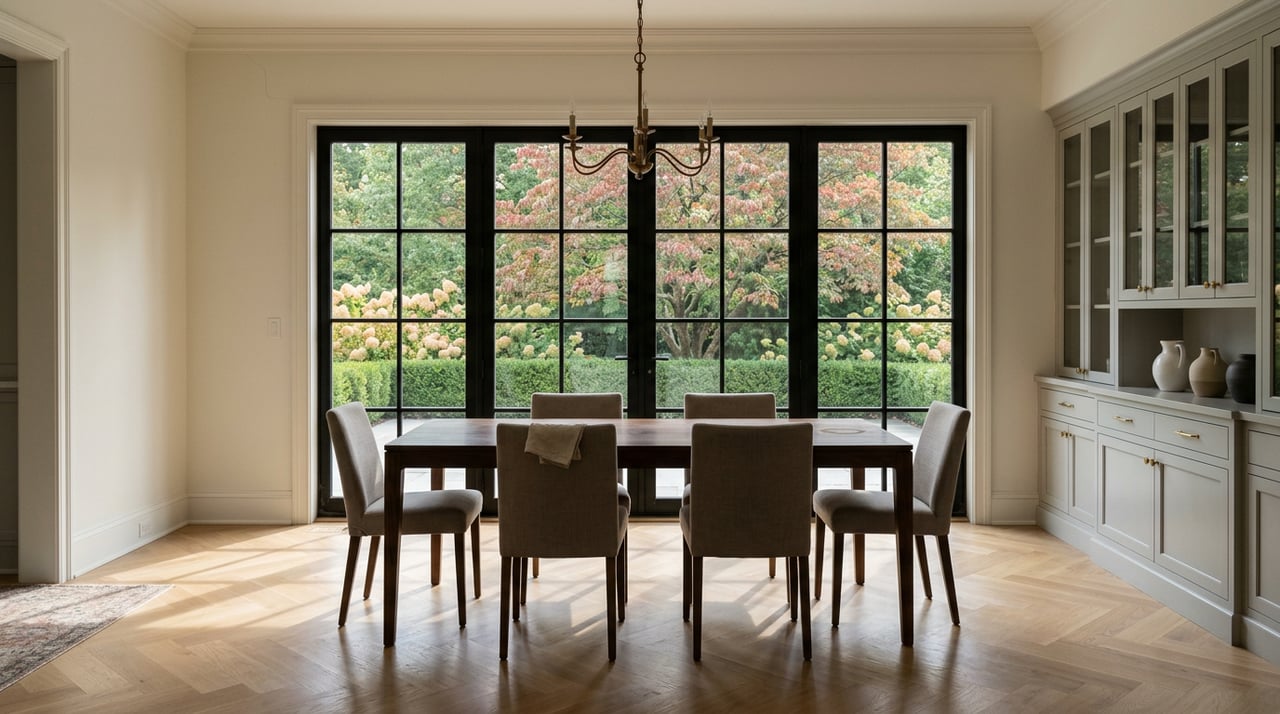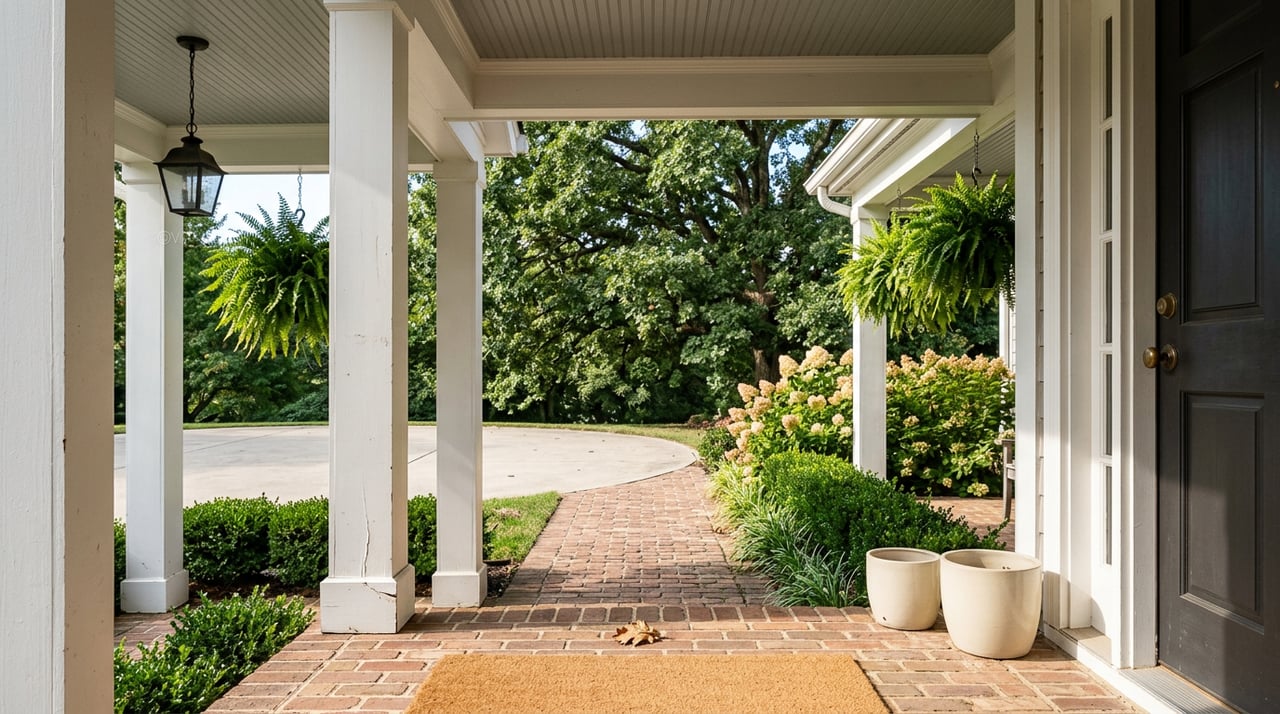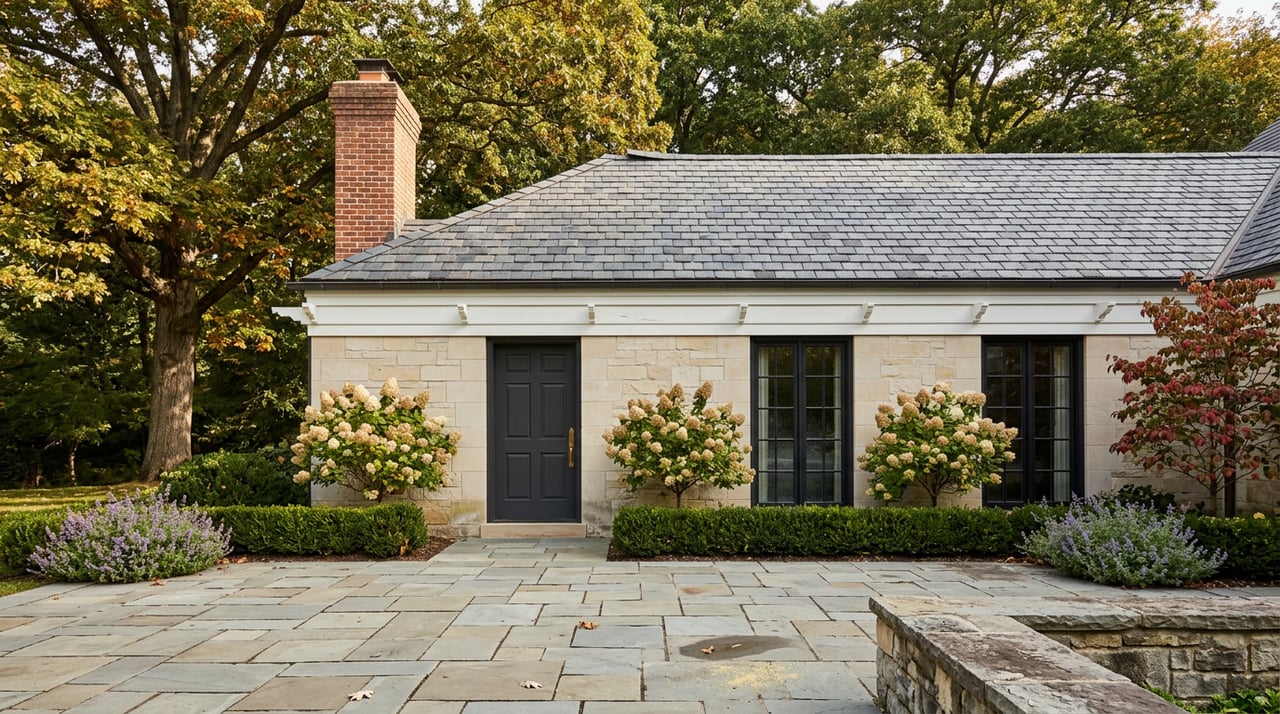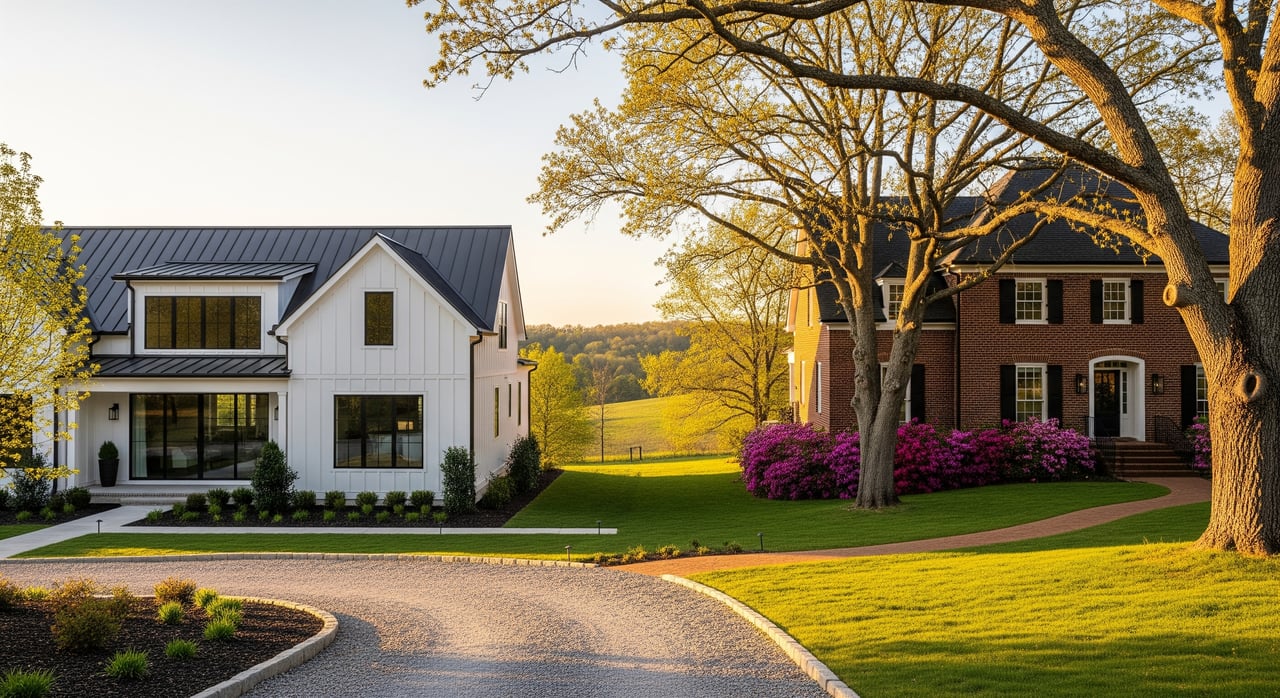
Are you torn between a brand-new build and a lived‑in home in Spring Hill’s 37174? You are not alone. With steady growth and plenty of builder communities alongside established neighborhoods, you have real choices. In this guide, you will learn the real-world pros and cons of each path, how timelines and costs differ, and what to check before you commit. Let’s dive in.
New construction at a glance
If you want modern design, energy efficiency, and warranties, new construction can be a strong fit. You will find spec homes that are already built or near completion, plus build-to-order options in planned communities. Many neighborhoods include sidewalks, trails, and community amenities managed by an HOA.
You should expect firm completion windows rather than exact dates. Builders often estimate a range to allow for weather, inspections, and supply timing. Early buyers in a new phase may get better lot choices, while later buyers choose from what remains.
Resale at a glance
If you prefer mature trees, larger yards, and established streetscapes, resale homes offer strong value. You can walk the lot, study utility bills, and understand the block’s character before you buy. Many buyers choose resale to move on a faster timeline or to stay within a specific neighborhood or school zone.
Resale homes vary in age and condition. Systems like HVAC and roofing may have remaining life or may be nearing replacement. Negotiations often reflect inspection findings and seller timelines.
Timeline differences
- Resale timing: In many cases you can close in about 30 to 45 days after an accepted offer. Inspections and any agreed repairs can add time.
- Spec new homes: These can close in roughly 30 to 60 days, similar to resales.
- Build-to-order: Expect about 4 to 9 months from contract to close for most production builders. Custom builds can take 9 to 12 months or more.
If you have a firm move date, resale or a ready spec home can reduce uncertainty. If you can wait, a build-to-order home allows personalization and access to up-to-date systems.
Warranties and protections
Many builders offer tiered warranty coverage, often something like one year on workmanship, two years on major systems, and ten years on structural elements. Review each builder’s written warranty and service process in detail.
Resale homes do not include a builder warranty. Some sellers agree to provide a third-party home warranty at closing, but coverage varies. In all cases, you should review Tennessee seller disclosures, understand the age of systems, and plan for maintenance.
Lots, orientation, and outdoor space
New communities in 37174 tend to offer a range of lot sizes depending on the neighborhood and phase. Early-phase buyers often have more choices for orientation, views, and proximity to amenities. Community guidelines and architectural controls are common and help maintain a consistent look.
Resale homes offer established landscaping, mature trees, and larger setbacks in some neighborhoods. If you value privacy, shade, and a specific lot character, resale can be compelling. Always review plats, setbacks, and any recorded covenants.
HOAs and amenities
Many Spring Hill neighborhoods, both new and established, have HOAs. Amenity-rich new communities may have higher fees to maintain pools, clubhouses, and common areas. Rules often include exterior standards, landscaping requirements, and processes for changes.
Older communities may have lower fees if there are fewer amenities. Before you commit, ask for the HOA packet, current budget, reserve studies, and information about any planned special assessments. Make sure the rules fit your lifestyle and that the budget supports ongoing upkeep.
Negotiation, incentives, and appraisals
New construction pricing can be less flexible when demand is strong. Instead of a price cut, builders often offer incentives like rate buydowns, closing cost credits, options upgrades at reduced cost, or lot premium credits. Timing matters. Builders may be more flexible at the end of a month or quarter, or when selling the last homes in a phase.
Resale negotiations are highly situational. Sellers may accept a lower price, agree to repairs, or provide credits based on inspection results. Closing dates can also be part of the negotiation.
With upgraded new homes, appraisal gaps can occur if comparable sales are older or smaller. Discuss appraisal strategy with your lender and agent. You want clarity on how upgrades are valued in the report.
Financing and inspections
Resale and spec new homes typically use standard financing like conventional, FHA, VA, or USDA loans, depending on eligibility. Build-to-order homes may require construction-to-permanent financing with staged draws. Not all lenders offer these loans, so confirm early.
Inspections are essential for both paths. For resale, order a full home inspection and add specialized inspections for items like HVAC, roof, or septic if needed. For new construction, schedule independent inspections at key stages such as pre-drywall and pre-closing. Even new homes benefit from a third-party review to catch punch-list items before you move in.
Energy efficiency and maintenance
New construction usually meets current building codes and may include higher insulation levels, tighter building envelopes, and energy-efficient systems. Smart-home features and modern HVAC designs are also common. This can reduce short-term maintenance and utility costs.
Resale homes vary based on age and upgrades. You can often negotiate price or credits to reflect system age or planned improvements. Ask sellers for utility histories when available and review the age of major systems.
Local due diligence for Spring Hill buyers
- Permits and infrastructure: Check with the City of Spring Hill Planning and Building Departments for permit timing, ongoing road or utility projects, and details on upcoming phases. This can help you gauge build timelines and future traffic patterns.
- Water, sewer, and utilities: Confirm water and sewer availability for any specific lot. Some properties may have private systems or special requirements.
- Schools and zoning: Verify current school zones directly with the district. Zones can change, so confirm assignments during your due diligence period.
- Commuting: Many residents travel toward Columbia, Franklin, or Nashville. Test drive your route during peak periods and ask about proposed improvements.
- Property taxes: Maury County assessments and millage rates can change. New construction is often reassessed at completion, so plan for adjustments in escrow.
- Builder reputation: Review a builder’s track record, service process, and membership in professional associations. Ask for warranty documents and a formal punch-list procedure.
- Covenants and future phases: Read all restrictive covenants. Learn how future phases or nearby commercial projects could affect views, noise, or traffic.
Which path fits you?
Choose new construction if you want modern layouts, energy-efficient systems, and builder warranties, and you can wait several months. Incentives can help reduce your cash at closing, which is useful if you want a rate buydown or credits for closing costs.
Choose resale if you need to move quickly, prefer mature landscaping, or want an established neighborhood. Inspection findings can lead to repair credits or price adjustments, and you can compare utility histories and tax records before you buy.
If you are still on the fence, compare the net cost. Weigh builder incentives against inspection credits on a resale. Add in HOA fees and expected maintenance. A simple spreadsheet can make the decision clearer.
Quick checklists
New construction checklist
- Confirm build timeline, completion window, and how delays are handled.
- Review included features versus upgrades and the deadlines to make selections.
- Get the full warranty package and understand the service process.
- Verify lot placement, setbacks, and plans for future phases.
- Request HOA documents, fee schedules, and design guidelines.
- Schedule independent inspections at pre-drywall and final stages.
- Confirm financing type and appraisal strategy. Ask how builder incentives apply.
Resale checklist
- Order a full home inspection. Add roof, HVAC, sewer, or septic inspections as needed.
- Review seller disclosures and any permit history for past work.
- Request utility histories and property tax records.
- Verify lot drainage, survey boundaries, and tree conditions.
- Review HOA documents if applicable, including budget and rules.
- Negotiate credits or repairs based on inspection findings.
A trusted guide in 37174
Buying in Spring Hill is exciting, but it involves many moving parts. From timelines and warranties to HOA rules and future development, the right plan makes all the difference. If you want a calm, concierge experience and clear answers at every step, we are here to help.
Ready to compare your options and build a smart offer strategy in 37174? Reach out to the family team that treats you like one of our own. Schedule your free consultation with The Wood Team.
FAQs
How long does new construction take in Spring Hill 37174?
- Build-to-order homes often take about 4 to 9 months from contract to close, while spec homes that are complete or near-complete can often close in 30 to 60 days.
Are HOAs common in new Spring Hill neighborhoods?
- Yes. Many new and established communities have HOAs. Amenity-rich neighborhoods may have higher fees. Always review the HOA packet, budget, and rules before you commit.
Can I negotiate price on a new build in 37174?
- Builders are sometimes firmer on price, but they often offer incentives like rate buydowns, closing cost credits, or discounted upgrades. Flexibility can improve at month-end or phase closeout.
Do I need an inspection on a brand-new house?
- Yes. Schedule third-party inspections at key stages like pre-drywall and before closing. Independent eyes help catch punch-list items and verify quality.
What financing is common for a build-to-order home?
- Many buyers use construction-to-permanent loans for build-to-order homes. Spec homes often qualify for standard mortgages like conventional, FHA, VA, or USDA if you are eligible.
How will property taxes work on a new build in Maury County?
- New homes are typically reassessed at completion, which can change the tax amount. Check with the Maury County Assessor for current rates and assessment details.