If you own a one-of-a-kind home in Franklin, you already know a standard listing approach will not do it justice. Buyers here are often drawn to more than bedroom count or square footage. They are responding to architecture, setting, craftsmanship, and the story a home tells. If you want to maximize interest and position your property well, it helps to market those details with care and accuracy. Let’s dive in.
What makes a Franklin home distinctive?
In Franklin, a distinctive home is not simply an older home. The city is known for its blend of history and growth, with a 15-block historic downtown, nationally recognized historic resources, Victorian architecture, renovated historic buildings, rural farmsteads, and notable architectural variety across different eras.
That means a home can stand out for several reasons. It may have a historic setting, visible original craftsmanship, a thoughtfully updated floor plan, a strong architectural style, acreage, or a location tied to downtown Franklin, festivals, shopping, dining, or access routes like I-65 and State Route 840.
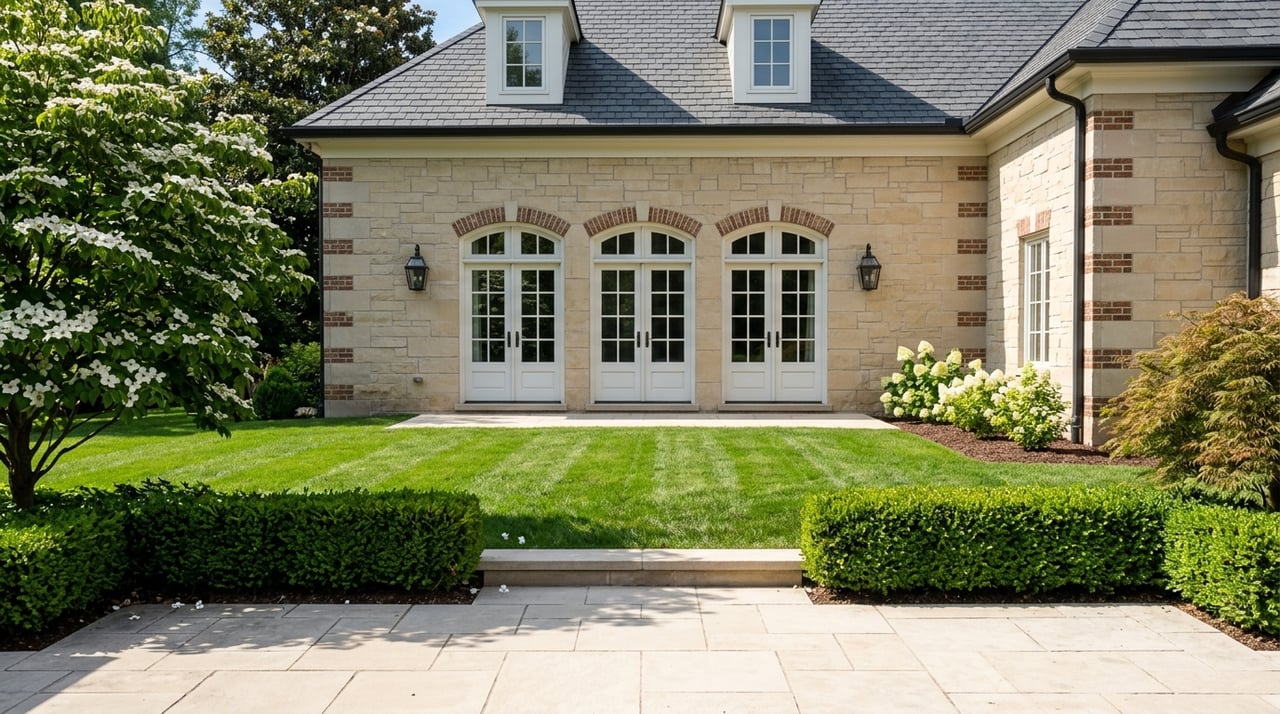
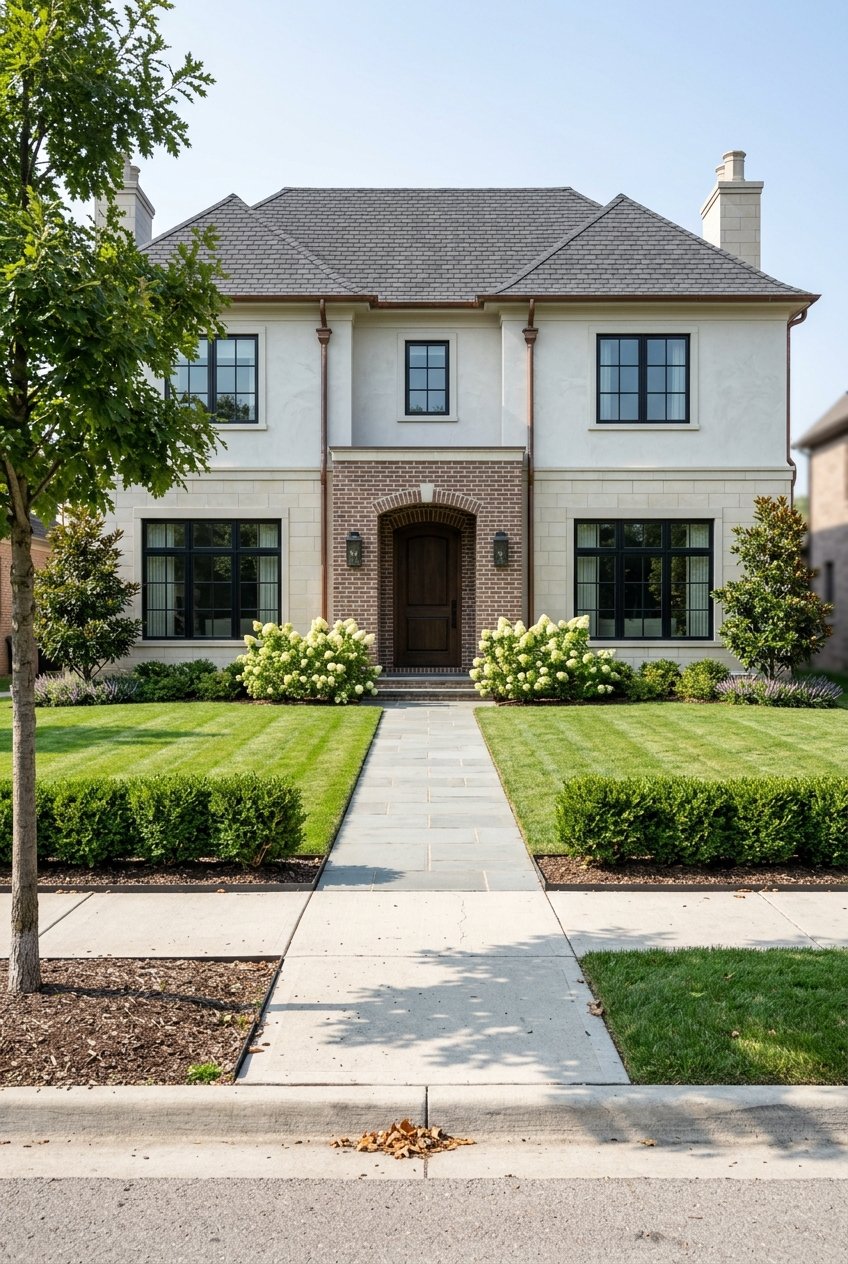
For sellers, that matters because buyers often connect with a property emotionally before they compare numbers. A home’s period details, front facade, masonry, porches, trim, and natural light can all become part of its market appeal when presented clearly.
Why strategy matters in Franklin
Franklin sits at the premium end of the Middle Tennessee market. Recent snapshots showed median sale prices above $800,000, with homes taking time to find the right buyer and often selling slightly below list price on average.
In that kind of market, distinctive homes should not be marketed like generic inventory. When your home has standout features, the goal is to help buyers understand why it is different and why that difference matters.
A polished launch can shape perceived value from day one. Strong presentation, specific listing copy, and location storytelling can help your home stand apart in a market where buyers have options and are paying close attention.
Start with the home’s true story
A strong marketing plan begins with accuracy. If your home has historic or architectural significance, the listing should describe it in a way that is specific, supportable, and easy for buyers to understand.
That usually means focusing on facts such as the home’s era, renovation scope, visible original details, major exterior features, and overall setting. Instead of relying on a vague label like “historic charm,” it is more effective to explain what buyers can actually see and experience.
For example, your marketing may highlight details like original trim, preserved masonry, a prominent front porch, restored windows if applicable, mature landscaping, or the relationship between the home and its streetscape. In Franklin, those place-based details are often part of the value proposition.
Distinctive details worth highlighting
- Architectural style and exterior character
- Renovated versus original elements
- Front facade presence and curb appeal
- Porches, outdoor living areas, and yard setting
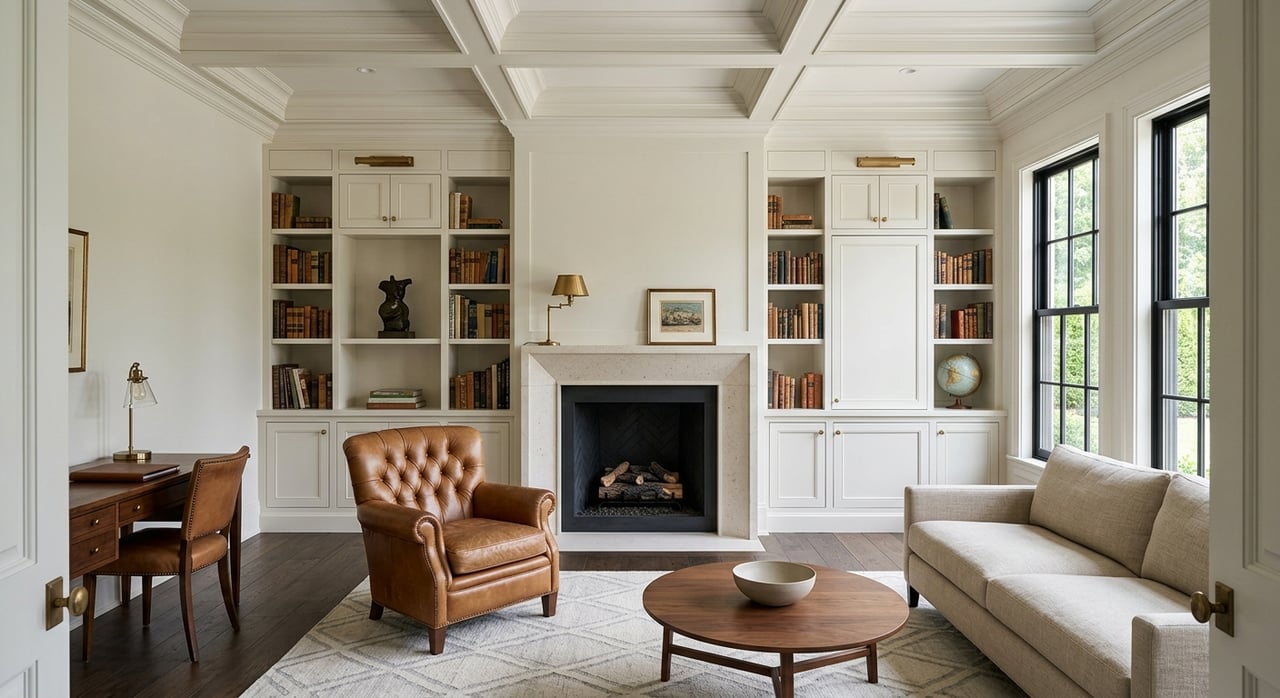
- Interior craftsmanship such as trim, millwork, or masonry
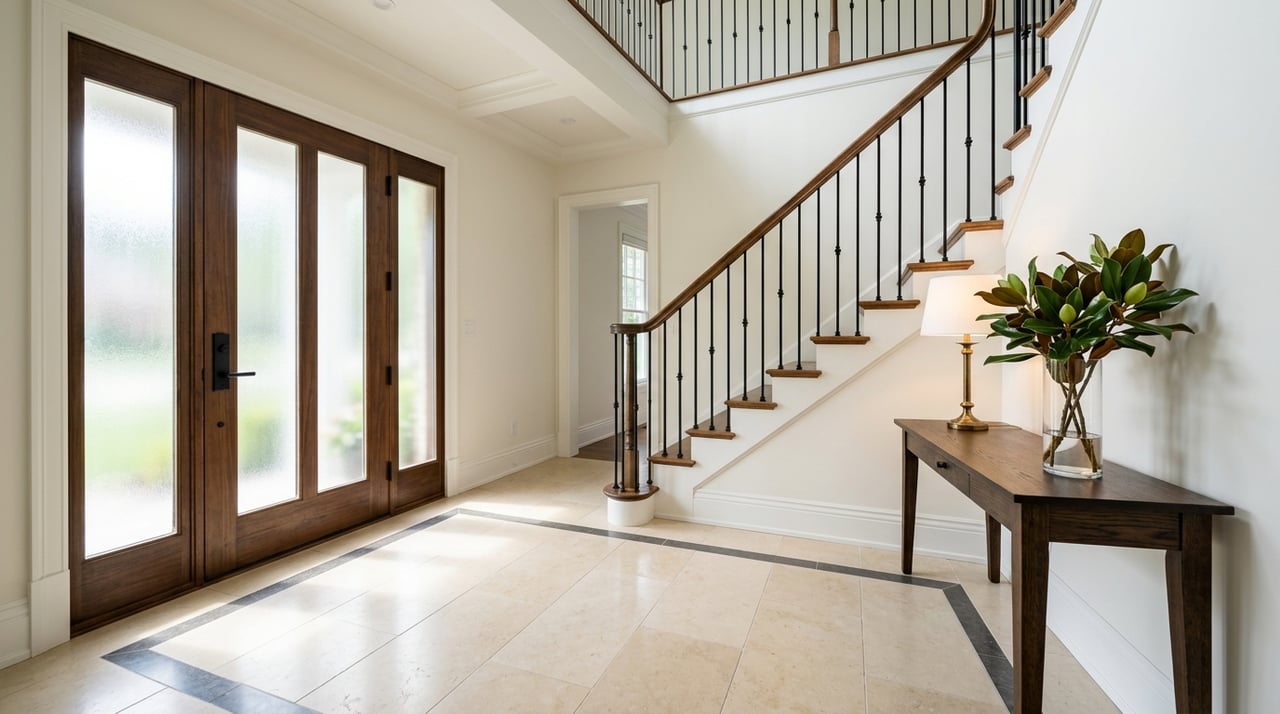
- Natural light and room flow
- Proximity to downtown Franklin and local amenities
- Acreage, privacy, or estate-style setting when relevant
Focus on pre-listing presentation
Before your home goes live, presentation should support the story you want buyers to remember. National staging data from 2025 found that 83% of buyers’ agents said staging made it easier for buyers to picture a property as their future home.
That same report found that buyers’ agents considered photos, traditional staging, videos, and virtual tours important to their clients. Agents also reported that staging often helped homes sell faster, and in some cases supported stronger offered value.
For a distinctive Franklin property, the goal is usually not to strip away personality. It is to remove distraction, elevate what is special, and make the home feel cared for, bright, and move-in ready.
Smart pre-listing steps
- Declutter each room so standout features are easier to see
- Deep clean surfaces, windows, flooring, and fixtures
- Refresh curb appeal with neat landscaping and a tidy entry
- Rework furniture placement to improve flow and scale
- Let signature spaces shine, such as the kitchen, living room, dining room, porches, and primary suite
- Open up natural light wherever possible
Be careful with updates in historic areas
If your home is located within Franklin’s Historic Preservation Overlay District, a local historic district, or a landmark area, exterior changes may require city review. The city’s guidelines note that items such as additions, window replacement, siding or masonry changes, roofing, fences and walls, lighting, signs, and some modern features may require a Certificate of Appropriateness.
That is why pre-listing prep should start with verification before improvement work begins. If you are considering exterior changes, it is wise to confirm what has already been approved, what permits exist, and whether new work needs review.
The city’s preservation materials also note that the front facade is usually the most important area to preserve visually. For many sellers, the safest path is to focus first on maintenance, cleaning, landscape polish, and cosmetic improvements that do not create approval issues.
Safe first moves before listing
- Confirm whether your property falls within an overlay or local district
- Review records for prior exterior work and approvals
- Verify permit history for recent renovations
- Speak with the city’s Preservation Planner before major exterior changes
- Prioritize repairs and presentation over unapproved alterations
Build a strong visual package
Photos and video are especially important when your likely buyer may be relocating or narrowing choices online first. In the 2025 staging report, buyers’ agents ranked photos as the most important media asset, followed by staging, videos, and virtual tours.
That has a clear takeaway for Franklin sellers. Your media should not just document rooms. It should communicate character, quality, and setting in a way that helps buyers understand the lifestyle your home offers.
For distinctive homes, the strongest visual package often includes both detail shots and broad context. Buyers want to see craftsmanship up close, but they also want to understand arrival, lot layout, outdoor living, and how the home sits in its surroundings.
Photos and videos that matter most
- Front exterior images that show curb appeal and architectural lines
- Entry and living spaces with strong natural light
- Kitchen and dining areas that reflect everyday livability
- Primary suite and bath imagery with clean, calm styling
- Porch, patio, or yard photos that show outdoor experience
- Detail shots of trim, masonry, built-ins, or other defining features
- Video that shows room flow and scale
- Aerial or wide-setting imagery when acreage, privacy, or location is a selling point
Tell the Franklin location story
A distinctive home in Franklin is often connected to a distinctive location story. City and tourism materials highlight downtown shopping and dining, art galleries, antiques, festivals, Natchez Trace access, and strong visitor activity across the area.
Williamson County also saw 8.79 million visitors and $1.37 billion in tourism impact in 2024, which shows how much visibility and interest the area attracts. For sellers, that means location is not just a line item. It is part of how buyers imagine their lifestyle.
Your listing narrative should explain location in a factual, useful way. That may include access to downtown Franklin, proximity to major routes, convenience to Nashville travel, or the feel of a more rural property setting.
Price and position with care
Even a special home needs the right positioning. In a somewhat competitive market where average homes may sell below list and stay on market for several weeks, pricing too aggressively can limit momentum.
A better strategy is to pair thoughtful pricing with standout marketing. When buyers can quickly understand your home’s differentiators, they are more likely to see the asking price in context rather than compare it to more generic listings.
This is where a concierge approach makes a difference. Distinctive homes benefit from tailored preparation, polished presentation, and a marketing message that reflects the property accurately instead of forcing it into a standard template.
Why local expertise matters
In Franklin, details matter. Historic designations, preservation guidelines, architectural character, and location context all influence how a home should be prepared and presented.
That is why sellers often benefit from a team that understands both the market and the nuance. When your marketing strategy is built around what is true, appealing, and locally relevant, buyers are more likely to recognize your home’s value.
If you are thinking about selling a distinctive Franklin property, The Wood Team can help you create a thoughtful, high-touch plan that highlights what makes your home special.
FAQs
What makes a Franklin home distinctive instead of just old?
- A distinctive Franklin home usually stands out because of architecture, craftsmanship, setting, renovation quality, or location story, not simply age alone.
Which updates are safest before listing a Franklin home in a historic area?
- Cleaning, decluttering, landscaping, routine maintenance, and other presentation-focused improvements are often safer first steps, while many exterior changes may require city review.
How much history should a Franklin listing include?
- Include history that is accurate, relevant, and tied to the home’s visible features, renovation scope, and setting rather than relying on broad or vague historic claims.
Which marketing visuals matter most for Franklin relocation buyers?
- High-quality photos matter most, followed by staging, videos, and virtual tours that show flow, detail, curb appeal, and the property’s overall setting.
Why does location storytelling matter when marketing a Franklin home?
- Franklin’s appeal includes downtown amenities, festivals, historic character, access routes, and rural or in-town lifestyle options, so location can meaningfully shape buyer interest.